Third Entry
Published on April 4, 2026
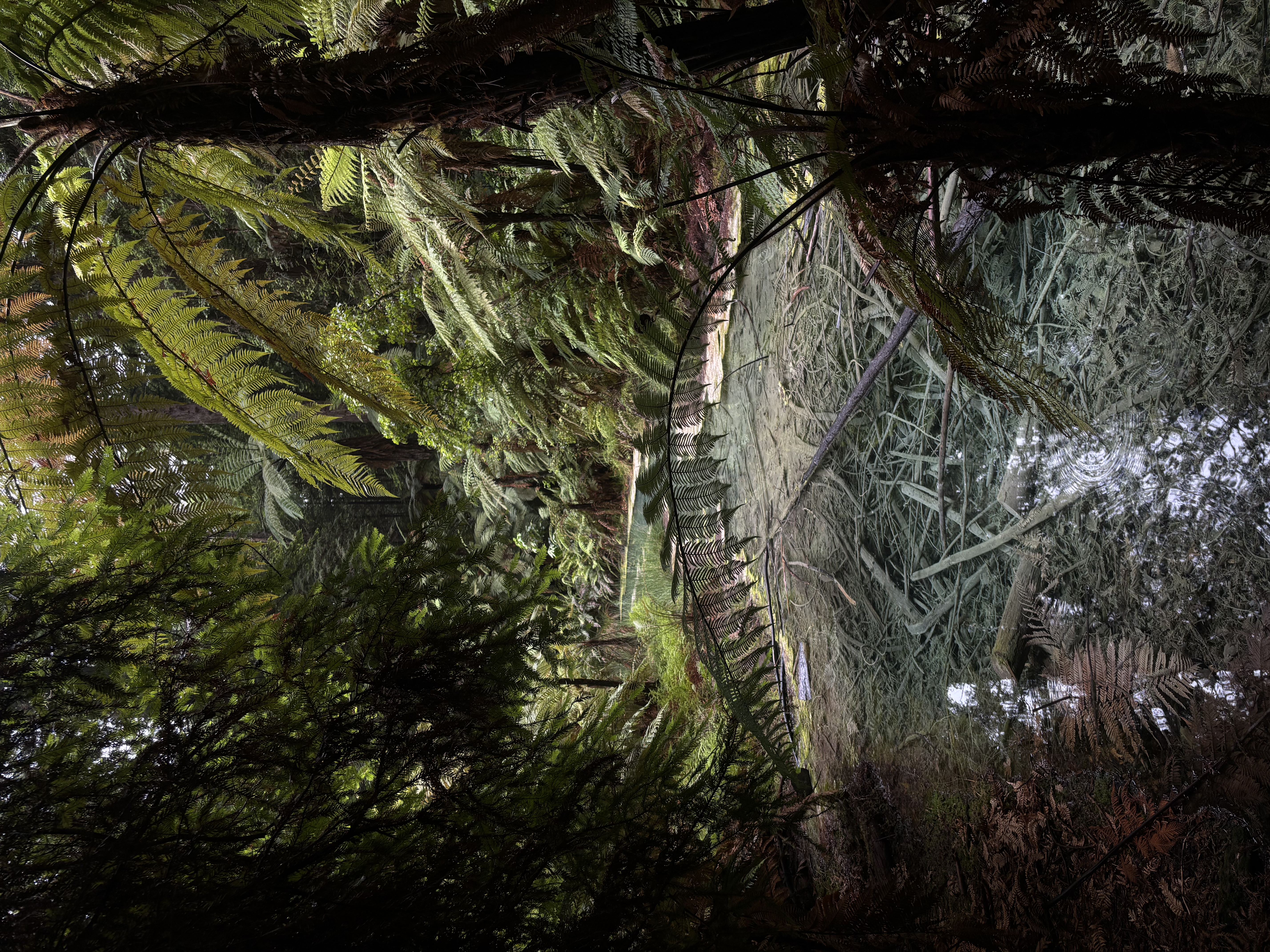
In many ways, we are encouraged to isolate ourselves to "take the next step" in self-development. We put on a front and withdraw from others' sight, choosing to mask our problems rather than confront them openly. While solitude in itself is not inherently harmful and can at times be necessary for reflection, it becomes problematic when it is used as a means of escape. Without the presence of others, or the perspective and accountability they provide, it becomes easier to avoid what is uncomfortable, convincing ourselves that distance is equivalent to progress. However, in doing so, we create a space in which avoidance can take hold, gradually distancing us from friends, family, and, more broadly, from our own lives. We begin to take a back seat in our lives, like a leaf carried downstream by the river's current, moving without direction or resistance.
I have noticed that social media and online advice from influencers often romanticise the struggle of becoming who we wish to be, presenting isolation and "disappearing" as essential steps in transforming ourselves into the idealised versions we imagine at the end of that struggle. In this way, withdrawal is framed not as disconnection, but as discipline, reinforcing the idea that stepping away entirely is necessary for growth. This framing often overlooks the difference between intentional solitude and avoidant isolation. Yet this raises an important question: is this truly development, or is it avoidance disguised as healing?
Throughout my life, I imagined a time when I could escape reality and find happiness in solitude, believing that being alone could somehow repair the damage I had caused and the pain I had endured. I convinced myself that distance would bring clarity and that silence would resolve what I did not yet understand. However, experience has shown me that isolation was never a requirement for healing or letting go. For a long time, I was running from my problems, and for a while, it felt as though I was winning that race, until I eventually wasn't. Everything I had avoided began to surface all at once. What I had mistaken for healing was, in reality, distance from the very things I needed to face.
There is a particularly helpful thought. There is no physical change or external action we can take that will account for the mental and emotional weight we carry. No amount of distance, routine, or outward transformation can resolve what remains unaddressed within. If we do not learn to confront and work through what the mind and heart hold onto, we cannot truly heal from what we have experienced, whether in the past or the present. Avoidance may feel like progress in the moment, but it only delays the understanding we eventually have to face.